
30ml BAC (Bacteriostatic Water): Overview and Laboratory Applications
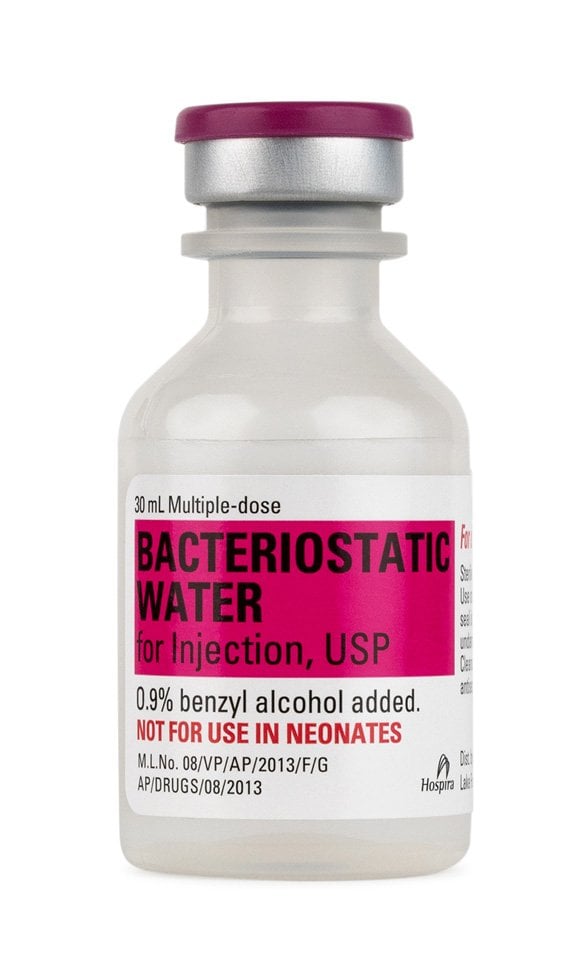
30ml BAC, commonly referred to as Bacteriostatic Water, is a sterile, non-pyrogenic water solution typically used in laboratory and research environments as a diluent for experimental compounds. It is commonly packaged in multi-dose vials and contains a small percentage of benzyl alcohol, which acts as a bacteriostatic agent to inhibit bacterial growth after the container is opened.
In research settings, bacteriostatic water is widely used as a general-purpose solvent for preparing or diluting substances intended for laboratory analysis. Its sterile formulation makes it suitable for controlled environments where maintaining sample integrity and preventing microbial contamination are essential.
One of the primary reasons 30ml BAC is commonly referenced in research applications is its stability in multi-use containers. The presence of benzyl alcohol allows repeated access to the vial under sterile conditions without immediate microbial contamination, making it a practical option for ongoing experimental workflows.
Researchers often utilize bacteriostatic water in biochemical and pharmaceutical studies where accurate dilution and sample consistency are required. It is frequently associated with laboratory preparation processes involving peptides, proteins, and other sensitive research compounds, although its function remains strictly as a solvent or diluent rather than an active agent.
Proper storage conditions are typically recommended in controlled laboratory environments, with attention to sterility and contamination prevention. As with all research-grade materials, handling protocols are expected to follow institutional laboratory safety standards.
It is important to note that 30ml BAC (bacteriostatic water) is intended strictly for research and laboratory use only. It is not classified or approved for direct clinical or therapeutic application in this context.
As laboratory science continues to advance, bacteriostatic water remains a foundational component in experimental preparation, enabling researchers to maintain consistency, sterility, and reliability across a wide range of scientific studies.
Be the first to review “30ML BAC”
Related products
Peptides
Peptides
Peptides
Peptides
Peptides
Peptides
Peptides
Peptides
Reviews
There are no reviews yet.